
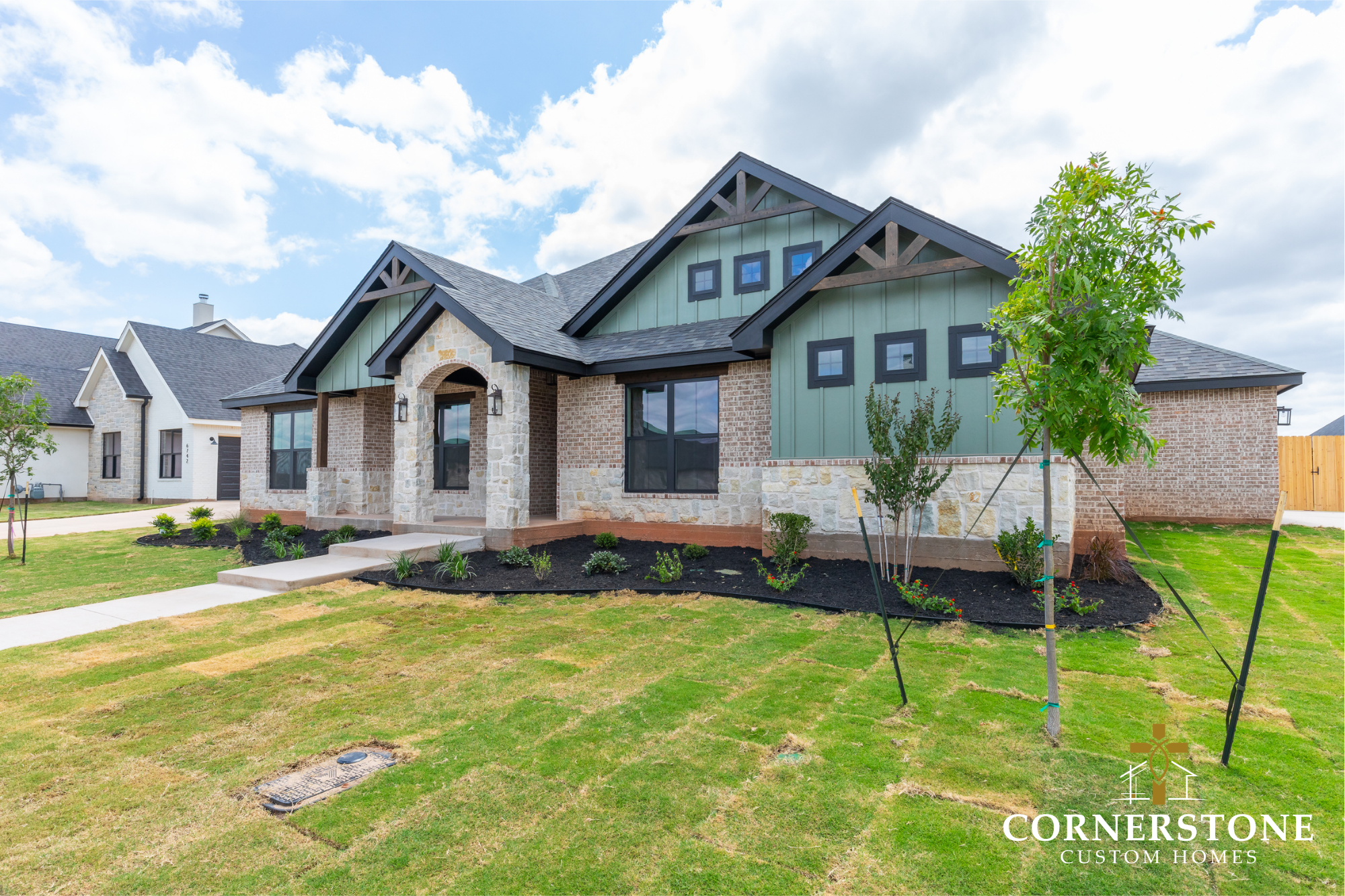
Many people assume FHA and VA loans are only for buying an existing house. Both programs can also be used to build a new home. If you have been asking, "Can you build a house with an FHA or VA loan?" The short answer is yes, as long as you, your lender, your builder and the home itself meet the program requirements.
This guide explains how FHA and VA construction loans work, who qualifies and how to prepare before you build.
How FHA and VA Construction Loans Work
Both FHA and VA new construction financing usually comes in the form of a construction to permanent loan, also called a one-time close loan. Instead of a short-term construction loan followed by a separate mortgage, you close once. During the build, the lender releases money in stages, called draws, as each phase of construction is completed. When the home is done, the loan converts into a regular FHA or VA mortgage.
This setup has a few clear benefits:
One application, one approval and one set of closing costs
Your rate and terms are typically set at closing, so there is less uncertainty when the house is finished
If you want a deeper look at draw schedules and how construction financing works in general, read our guide on How to Finance a New Home Construction.
Building a House With an FHA Loan
An FHA construction loan is insured by the Federal Housing Administration. It is popular with first-time buyers and with people who have limited savings or credit history.
What to expect with an FHA construction loan:
Lower down payment. FHA guidelines allow a down payment as low as 3.5 percent for borrowers with a credit score of 580 or higher. Many lenders that offer FHA one-time close loans set their own minimum credit score, often higher.
Land can be part of the loan. You can often finance the lot and the construction together. If you already own your land, the equity in it may count toward your down payment.
Mortgage insurance. FHA loans include an upfront mortgage insurance premium and an annual mortgage insurance premium, which adds to the monthly payment.
Loan limits. FHA loans have county loan limits, so the total cost of the land and the home needs to fit within the limit for your area.
Primary residence only. FHA financing is for a home you will live in, not a vacation home or rental.

Building a House With a VA Loan
A VA construction loan is backed by the U.S. Department of Veterans Affairs and is available to eligible veterans, active duty service members and some surviving spouses. For military families in the Abilene area, including those connected to Dyess Air Force Base, it can be one of the most affordable ways to build a new home.
What to expect with a VA construction loan:
No down payment in many cases. Eligible borrowers with full entitlement can often build with zero down.
No monthly mortgage insurance. VA loans do not require private mortgage insurance, although most borrowers pay a one-time VA funding fee. Some veterans, such as those receiving VA disability compensation, are exempt.
Certificate of Eligibility. You will need a Certificate of Eligibility (COE) to confirm your VA benefit. Your lender can usually request it for you.
Fewer lenders offer it. Many lenders offer VA purchase loans, but far fewer offer VA construction loans, so it pays to ask early.
Primary residence only. Like FHA, the home must be your primary residence.
What Lenders Require From Your Builder
With FHA and VA construction loans, the lender approves the builder and the plans, not only the borrower.
Most lenders will ask for:
A licensed, insured builder with a solid track record
Builder registration or approval with the lender, and for VA loans a VA builder ID
Detailed plans, specifications and a signed construction contract
A full cost breakdown and a draw schedule
An appraisal based on the finished plans, plus inspections during construction
The home must also meet FHA or VA property standards. Some home styles, such as barndominiums or homes on larger rural lots, may need extra review from the lender and appraiser, so talk about your plans with your lender before you commit to a design.
An experienced builder with clear plans and cost estimates makes this process much smoother. Browse our Floor Plans for a good starting point.
How to Prepare to Build With an FHA or VA Loan
· Talk to a lender that offers construction loans. Ask specifically whether they offer FHA or VA one-time close loans, since not every lender does.
· Get pre-approved. Know your budget before you choose land or a floor plan.
· Choose your land. Make sure it fits your loan limit and your lender's requirements for utilities, access and zoning.
· Pick your builder and plan. Confirm that your builder can meet the lender's approval requirements early in the process.
· Plan for extras. Site work, utilities, permits and upgrades all affect the total cost and need to fit inside the loan.
Our Getting Started page walks through each step of building with Cornerstone Custom Homes, including meeting with your preferred loan officer. If this is your first build, our guide for First-Time Custom Home Buyers is also a helpful read.
FAQs
-
Yes. Eligible veterans and service members can use a VA construction loan or VA one-time close loan to build a new home. The lender, the builder and the home must all meet VA requirements.
-
Yes. An FHA one-time close loan lets you finance the land and construction in a single loan that converts to a standard FHA mortgage when the home is finished.
-
FHA guidelines allow as little as 3.5 percent down for borrowers with a credit score of 580 or higher, although individual lenders may require a higher score.
-
Many eligible borrowers with full entitlement can build with no down payment. A one-time VA funding fee usually applies unless you are exempt.
-
In many cases, yes. The value of land you already own may count toward your down payment or equity, depending on the lender and program.
Start Planning Your Home With Confidence
FHA and VA loans make building a new home possible for more families, especially first-time and military buyers. The key is choosing the right lender, the right builder and a plan that fits your budget from the start.
If you are thinking about building a custom home in Abilene and want to talk through your plans, call Cornerstone Custom Homes at (325) 370-9960. We can also connect you with trusted local banks and loan officers to help you explore your financing options.
