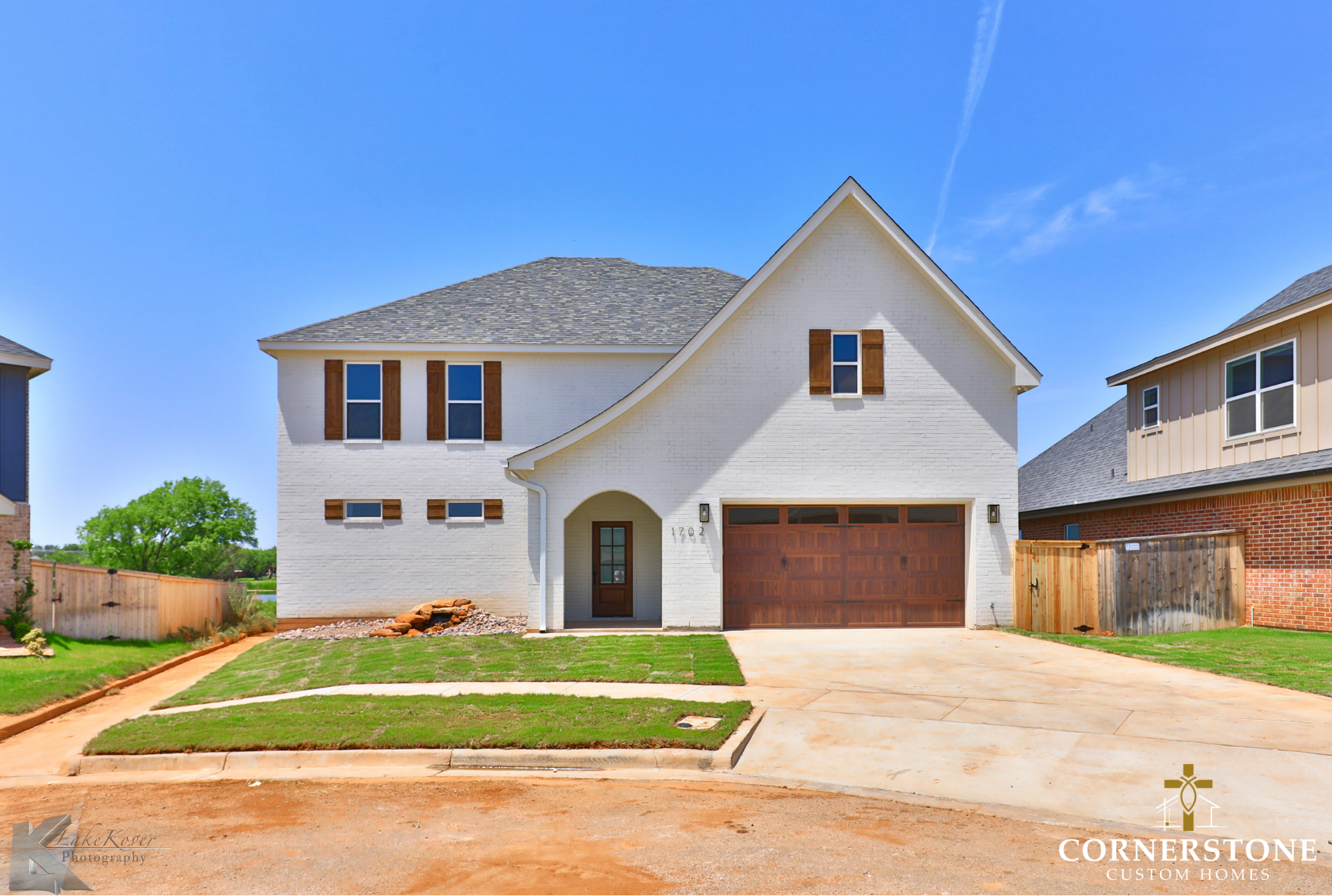
When homeowners ask what impacts the cost of a custom home the most, the answer is usually simpler than they expect.
It’s not countertops.
It’s not paint colors.
It’s not even most finish upgrades.
The biggest factor that drives the cost of a custom home is size and structural complexity.
Square footage sets the baseline
Every additional square foot affects foundation, framing, roofing, insulation, drywall, flooring, and labor. The larger the home, the more materials are required and the more time it takes to build.
That part is straightforward. What many homeowners do not realize is how quickly square footage multiplies cost across every stage of construction. Increasing the size of a home does not just add material. It adds labor hours, mechanical capacity, and structural demands.
Even modest increases in size can have a noticeable impact on overall pricing.
You can see how different home sizes and layouts come together by browsing the Cornerstone Custom Homes gallery.
Structural complexity adds hidden cost
Beyond square footage, design complexity plays a major role.
Simple rooflines, straightforward layouts, and consistent ceiling heights are generally more efficient to build. When plans include multiple roof angles, large spans without support, tall ceilings throughout, or extensive structural modifications, labor and material needs increase.
These features are not wrong. They just require more planning and more resources. That’s where cost can rise faster than many expect.
This is one reason early conversations matter. The Getting Started page explains how planning before construction helps homeowners understand how design decisions influence budget.

Finishes matter, but they are secondary
Material selections do affect pricing, especially when upgrades are applied across the entire home. Flooring, cabinetry, lighting, and exterior finishes all contribute to the final number.
However, finishes sit on top of the structure. The structure itself carries most of the cost weight. A larger or more complex home with modest finishes can still cost more than a smaller, efficient layout with upgraded materials.
Understanding that difference helps homeowners prioritize where they want to invest.
Changes after construction begins
Another factor that can increase cost is change during construction. Adjusting layout, moving walls, or altering structural elements once framing is underway often requires additional labor and materials.
Finalizing major decisions early reduces the risk of cost increases later. Many common questions about this are covered on theCornerstone Custom Homes FAQ page.
What truly impacts the cost of a custom home the most?
The biggest factor is size and structural complexity. Square footage and design features like rooflines, ceiling height, and layout configuration influence materials, labor, and overall construction demands more than finish selections alone.
Planning with clarity makes a difference
Understanding what truly drives cost allows homeowners to make informed choices. When size and structural decisions are aligned with budget early, the rest of the build becomes easier to manage.
Cornerstone Custom Homes works with homeowners to connect design ideas to real numbers before construction begins. If you’re planning a build this year, starting those conversations early can help keep your goals and your budget aligned.
FAQs
-
Yes. Every added square foot affects materials and labor throughout the entire build.
-
They can. More angles and structural details require additional framing and labor.
-
Usually not. Structural size and complexity tend to influence overall pricing more than most finish selections.
-
Yes. Reviewing layout and structural design before construction begins helps avoid adjustments later.